
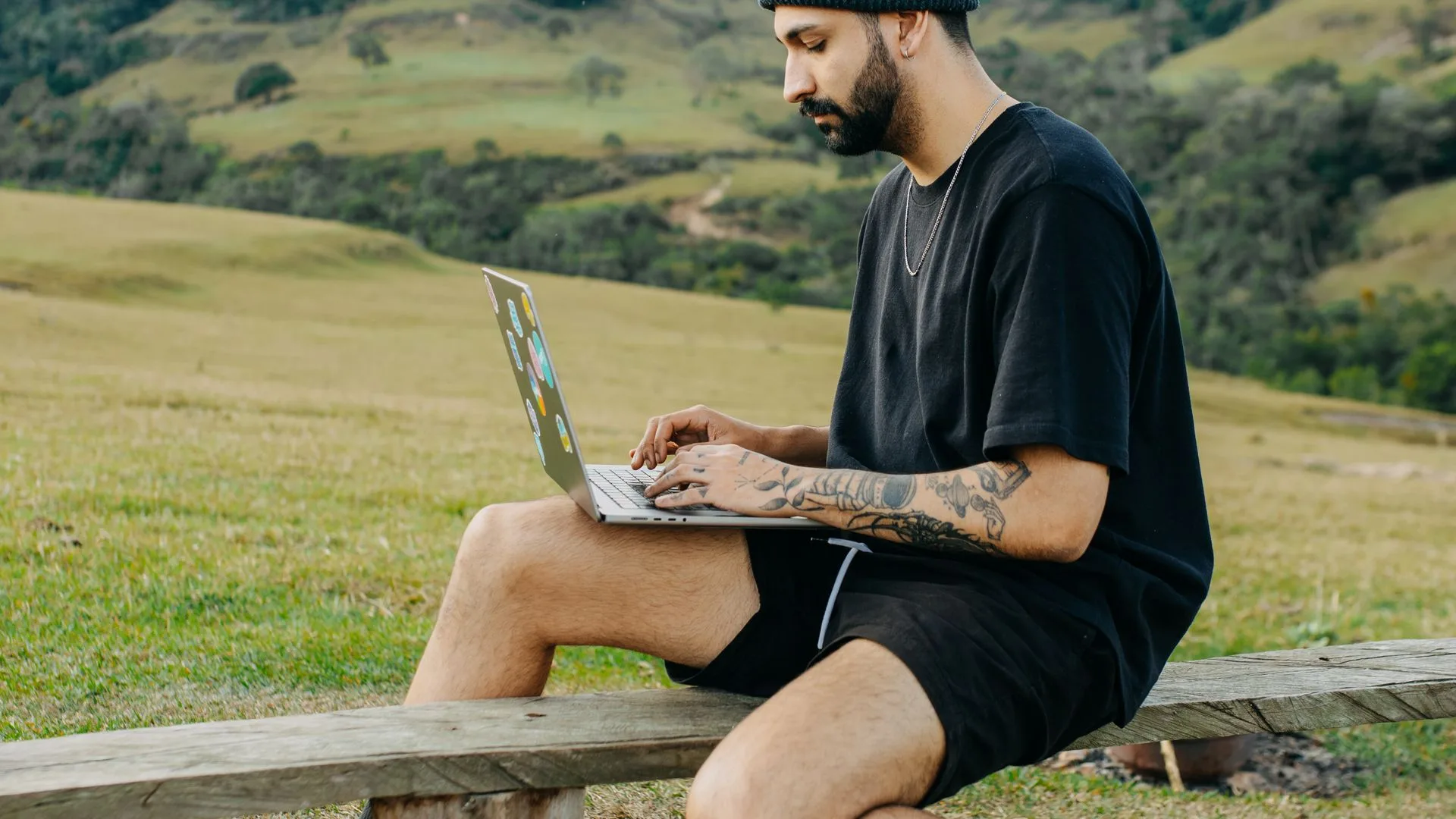
Slovenia’s digital nomad route is a temporary residence permit for non-EU and non-EEA nationals who work remotely for an employer, clients or their own business outside Slovenia. It can be issued for up to one year, allows immediate family reunification and does not require admission to the Slovenian labour market.
The permit became available on 21 November 2025. The central eligibility question is not where your laptop is located; it is whether your economic activity remains genuinely outside the Slovenian labour market.
This guide explains the general framework in force on the last-updated date above. Your contracts, nationality, current immigration status and family situation can change the correct filing strategy.
Who qualifies for Slovenia’s digital nomad permit?
You may qualify if you are a citizen of a country outside the EU and EEA and you perform your work remotely through communication technology. Your work must fall into one of three broad situations:
- you are employed by a business established outside Slovenia;
- you provide services under a civil-law contract to a business outside Slovenia; or
- you are self-employed through a business established abroad.
The Slovenian Ministry of the Interior’s official explanation confirms that a digital nomad does not enter the Slovenian labour market. This is why the usual labour-market consent issued by the Employment Service is not required for qualifying remote work.
If you intend to take a job with a Slovenian employer, invoice Slovenian clients as your main activity or operate through a Slovenian company, the digital nomad route may not fit. Review the broader Slovenian residence permit options before deciding how to structure your move.
What are the core requirements?
The digital nomad rules sit alongside Slovenia’s general temporary-residence conditions. A credible application normally needs to prove both your identity and lawful remote-work arrangement.
| Requirement | What the file should demonstrate |
|---|---|
| Valid travel document | A passport valid for the required period and suitable copies |
| Qualifying remote work | Employment, service or self-employment documents tied to an entity outside Slovenia |
| Sufficient funds | Monthly means equal to at least twice Slovenia’s average monthly net salary under the applicable calculation |
| Health insurance | Coverage meeting Slovenia’s temporary-residence requirements |
| Criminal-record evidence | A certificate from the relevant country, prepared in the required form |
| Family evidence | Civil-status documents and additional funds if family members apply |
The income threshold is not a fixed permanent number
The official rule uses twice the average monthly net salary in Slovenia, calculated from the most recently published salary data. Because the underlying salary changes, an old blog post with a fixed euro amount can become misleading. The Statistical Office’s earnings dashboard publishes the underlying official salary data.
Check the applicable figure immediately before filing and make sure the evidence shows stable, lawful and accessible income. Payslips alone may not explain an unusual contractor or founder arrangement; contracts, bank evidence and company records may need to tell the same story.
Which documents usually need the most attention?
The hardest part is rarely the application form. It is aligning documents issued by different countries so the authority can understand one consistent case.
Employment or client contracts
The agreement should identify the parties, the nature of the work, remuneration, duration and the fact that the work can be performed remotely. If the contracting entity and the paying entity are different, explain that relationship.
Evidence of a foreign business
Self-employed applicants may need current registry extracts, ownership or management records, invoices and payment evidence. The purpose is to demonstrate that the business is genuinely established outside Slovenia rather than created only as paperwork for the application.
Civil-status and criminal-record documents
Foreign public documents may require an apostille or another form of legalisation, plus a certified Slovenian translation. Requirements depend on the issuing country and the document, so confirm the chain before ordering translations.
Where and how do you apply?
An applicant abroad generally files at a Slovenian diplomatic mission or consular post. A foreign national who is already lawfully residing in Slovenia may submit the application at a competent administrative unit in Slovenia. The government’s entry and residence overview is a useful official starting point for the wider residence framework, while the official directory of Slovenia’s representations abroad helps identify the relevant embassy or consular post.
A practical filing sequence is:
- confirm that your work arrangement falls outside the Slovenian labour market;
- calculate the current income threshold for your household;
- build a country-specific document and legalisation checklist;
- prepare translations only after the source documents are final;
- file through the correct authority and monitor requests for supplements; and
- complete the in-person steps required for the residence card and address registration.
Our detailed digital nomad permit assessment page explains how Slovenia Law handles eligibility, document preparation and submission.
Can your family come with you?
Yes. One of the route’s most useful features is immediate family reunification. Eligible family members do not have to wait for the usual period linked to the sponsor’s residence.
That does not make the family applications automatic. Each person needs a separate file, suitable civil-status evidence, insurance and any other required documents. The household must also show sufficient funds for accompanying family members.
What happens after the first year?
The permit cannot be extended. A new application for the same digital nomad purpose may be filed only after six months have passed from the expiry of the previous permit.
However, the official rules allow the holder to apply during the permit’s validity for another temporary residence permit based on a different purpose. A planned move into Slovenian employment, business activity, study or family life should therefore be assessed well before the digital nomad permit expires.
This is a planning advantage, not a guaranteed conversion. You must independently meet every condition for the new permit.
Common reasons a strong-looking case becomes difficult
- The work structure is unclear. The contract says one thing, invoices show another and payments come from a third entity.
- The applicant relies on an outdated income figure. The threshold is dynamic and should be checked at filing.
- Documents are legalised in the wrong order. This can force the applicant to repeat certification and translation work.
- Residence and tax are treated as the same question. A residence permit does not by itself settle tax residence, payroll or permanent-establishment questions.
- The next permit is considered too late. A transition strategy should be mapped while the current permit is still valid.
The practical next step
Before collecting certificates, test the facts that decide eligibility: who contracts you, who pays you, where the business is established, whether you serve Slovenian clients and how your household will prove sufficient funds.
If those facts fit the route, a precise checklist makes the remaining process far more predictable. If they do not, it is usually better to identify the correct alternative residence pathway before filing than to repair the wrong application later.
This article provides general information and is not a substitute for advice on your individual case.